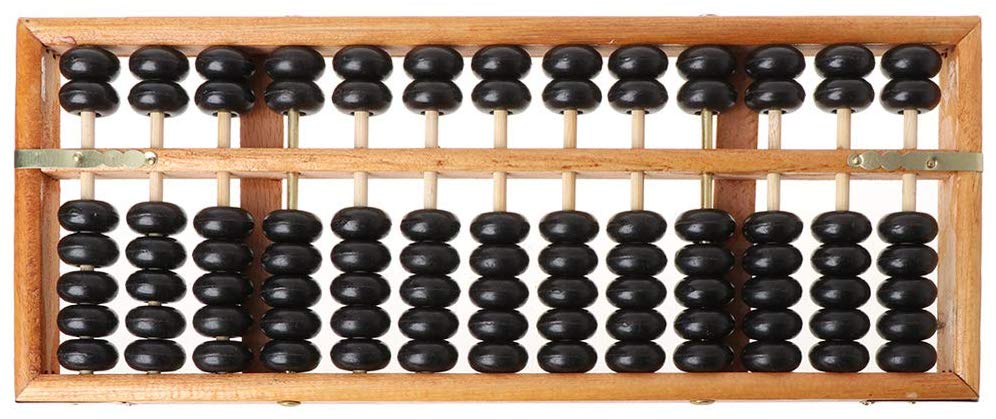
AbacusOne of humanity's earliest counting tools, used for thousands of years across Asia and beyond.Slide RuleThe engineer's calculator of choice from the 1600s until the pocket calculator arrived in the 1970s.
Mainframes & Early Systems
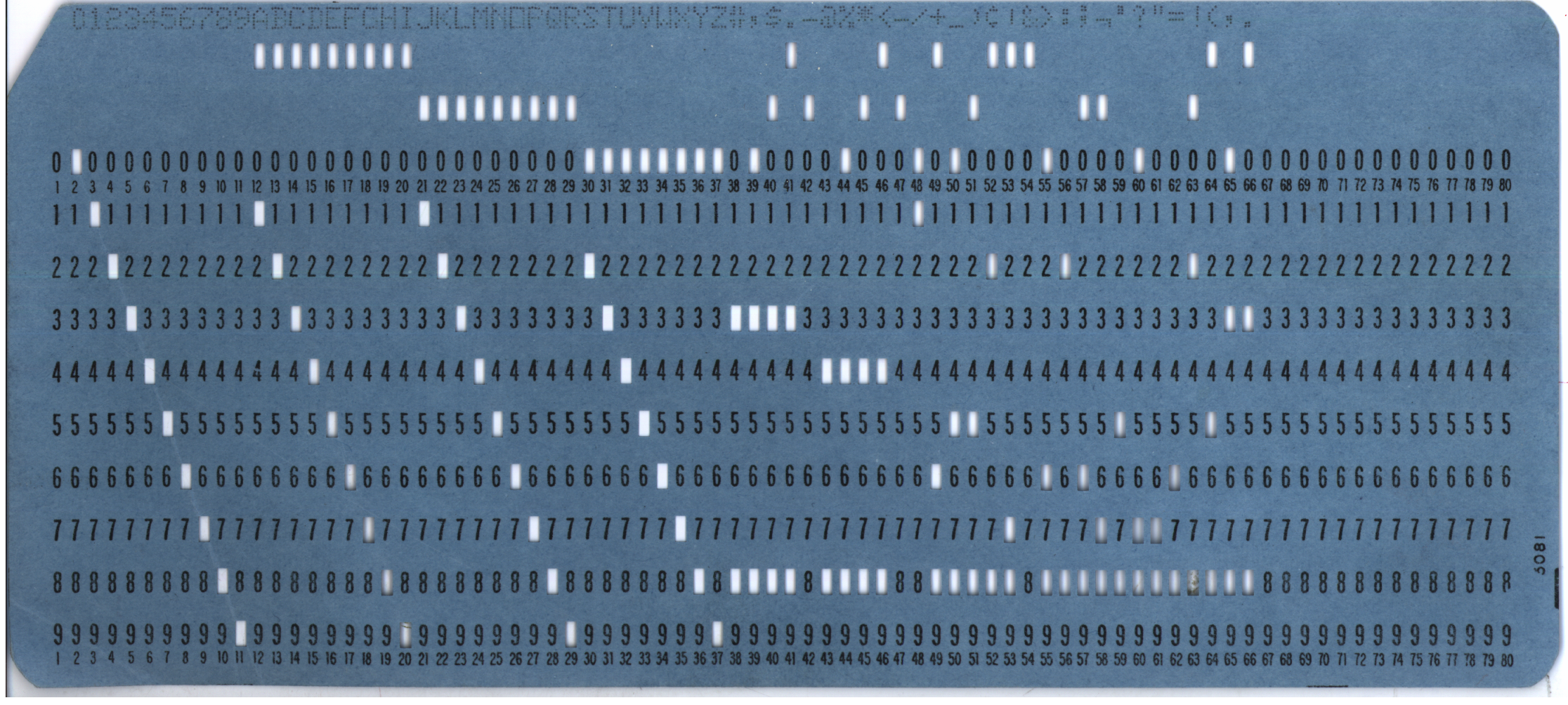
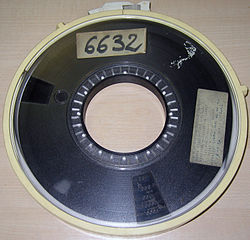
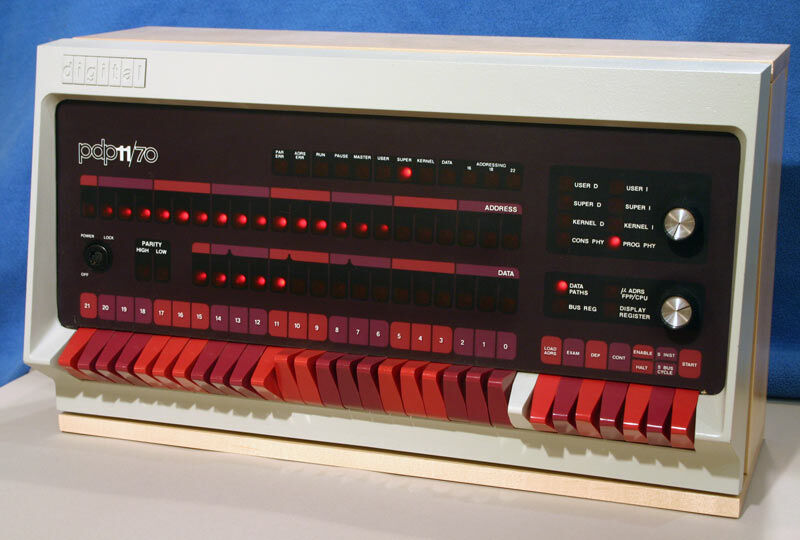
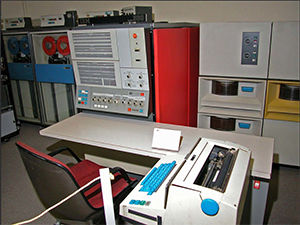
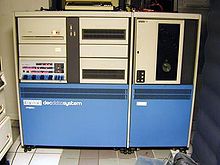
ENIAC (1945)One of the earliest electronic general-purpose computers, built at the University of Pennsylvania. It filled an entire room and was used to calculate artillery firing tables.UNIVAC I (1951)The first commercial computer produced in the United States, famous for correctly predicting Eisenhower's landslide victory in the 1952 presidential election.IBM Punch CardThe primary input medium for mainframe computers from the 1950s through the 1970s.Magnetic Tape ReelUsed for bulk data storage and backup on mainframes well into the 1980s.Mainframe Control PanelThe blinking lights and toggle switches that defined the look of early computing rooms.IBM System/360 (1964)IBM's landmark mainframe family — the first to cover a complete range of applications from small to large.DEC PDP-11 (1970)Digital Equipment Corporation's influential minicomputer, widely used in labs and universities.Cray-1 (1976)The world's fastest computer at its release, Seymour Cray's iconic cylindrical supercomputer defined high-performance computing for a generation.DEC VAX-11/780 (1977)DEC's landmark 32-bit minicomputer that defined the VAX architecture and dominated scientific and academic computing through the 1980s.DEC MicroVAX II (1985)A popular desktop VAX that brought minicomputer performance to individual workgroups at a fraction of the cost.DEC MicroVAX 3600 (1987)A rack-mounted MicroVAX offering higher throughput for departmental servers and small data centres.
The Personal Computer & Laptop Era
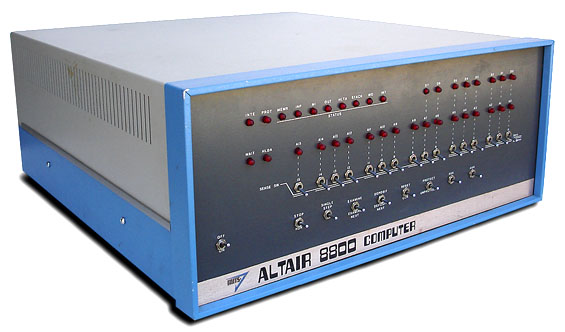
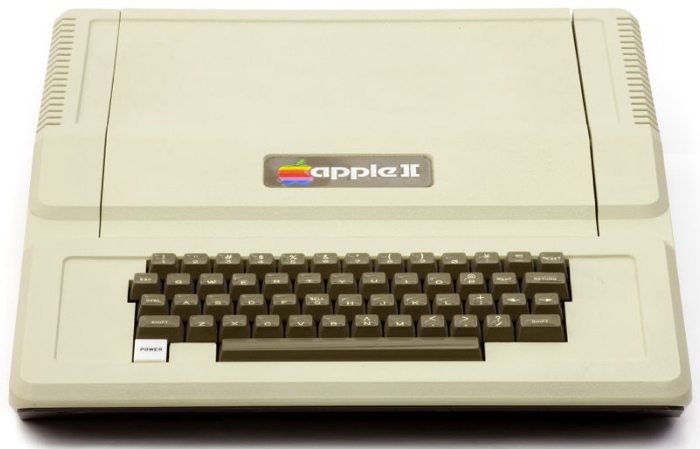
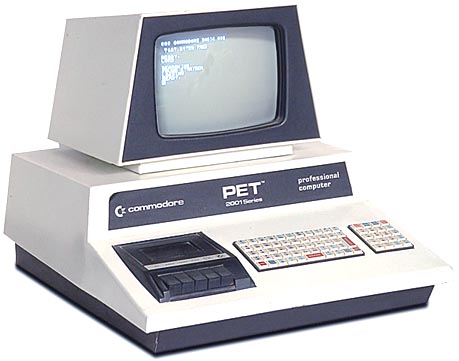
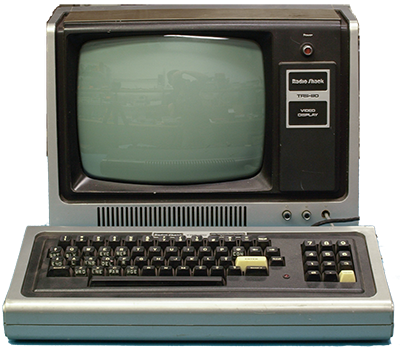
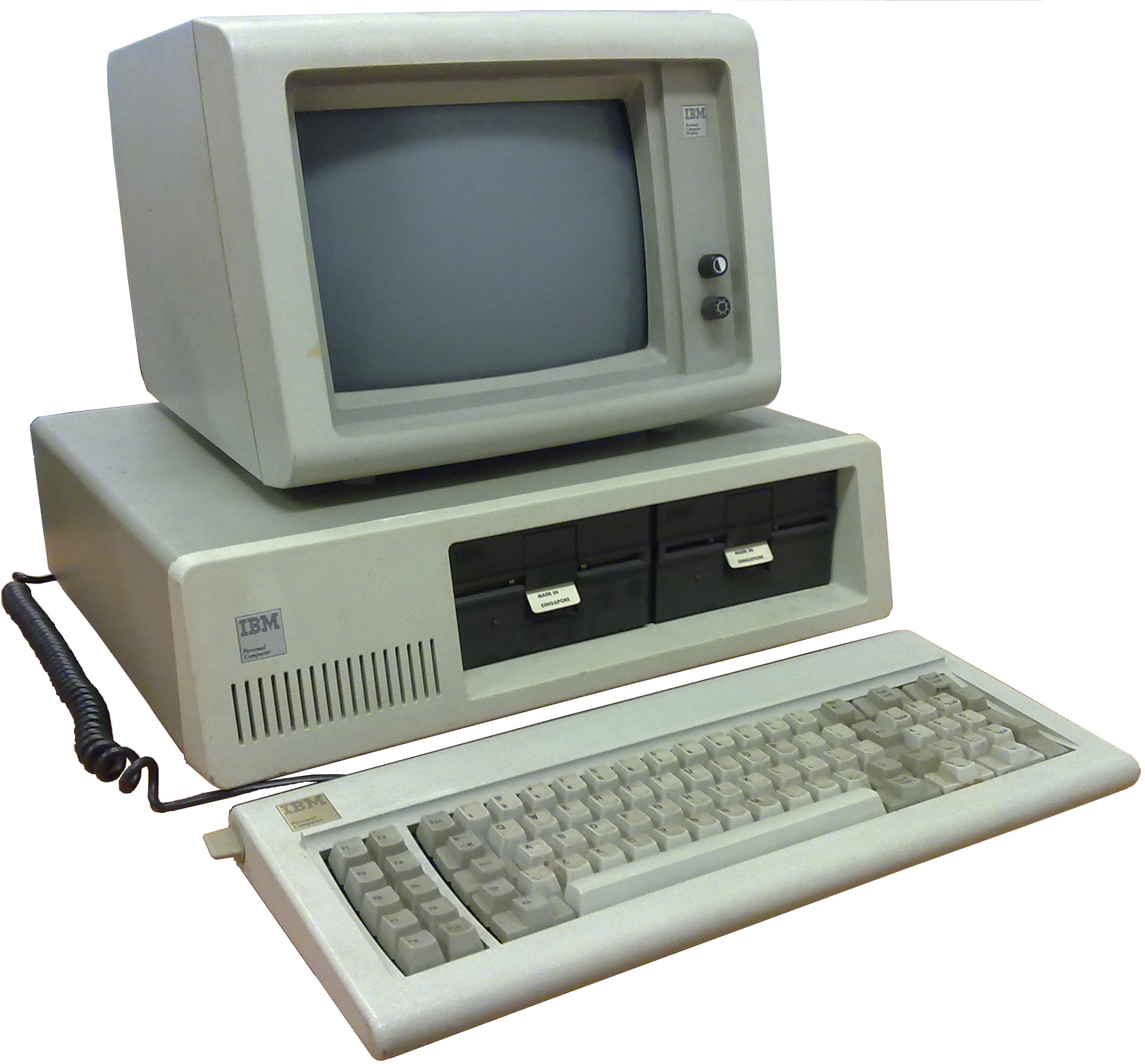
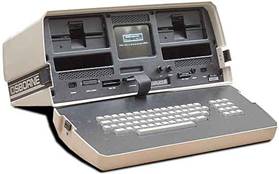
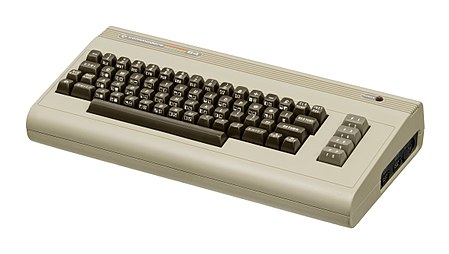
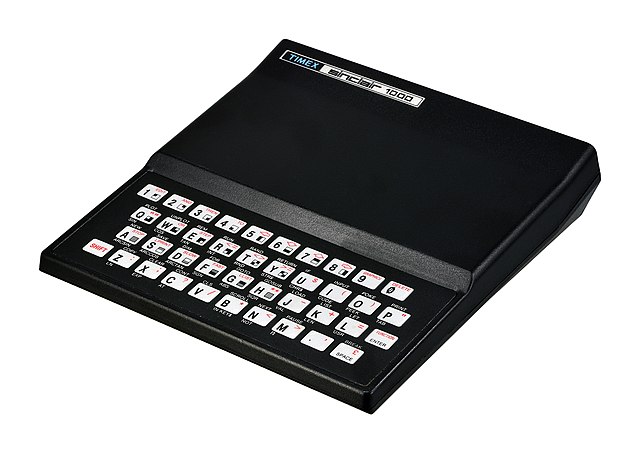
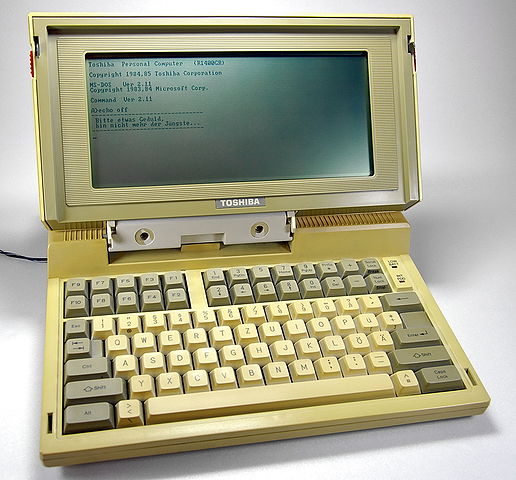
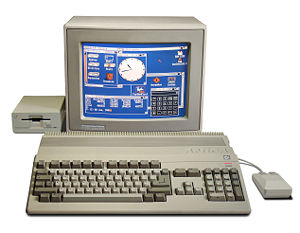
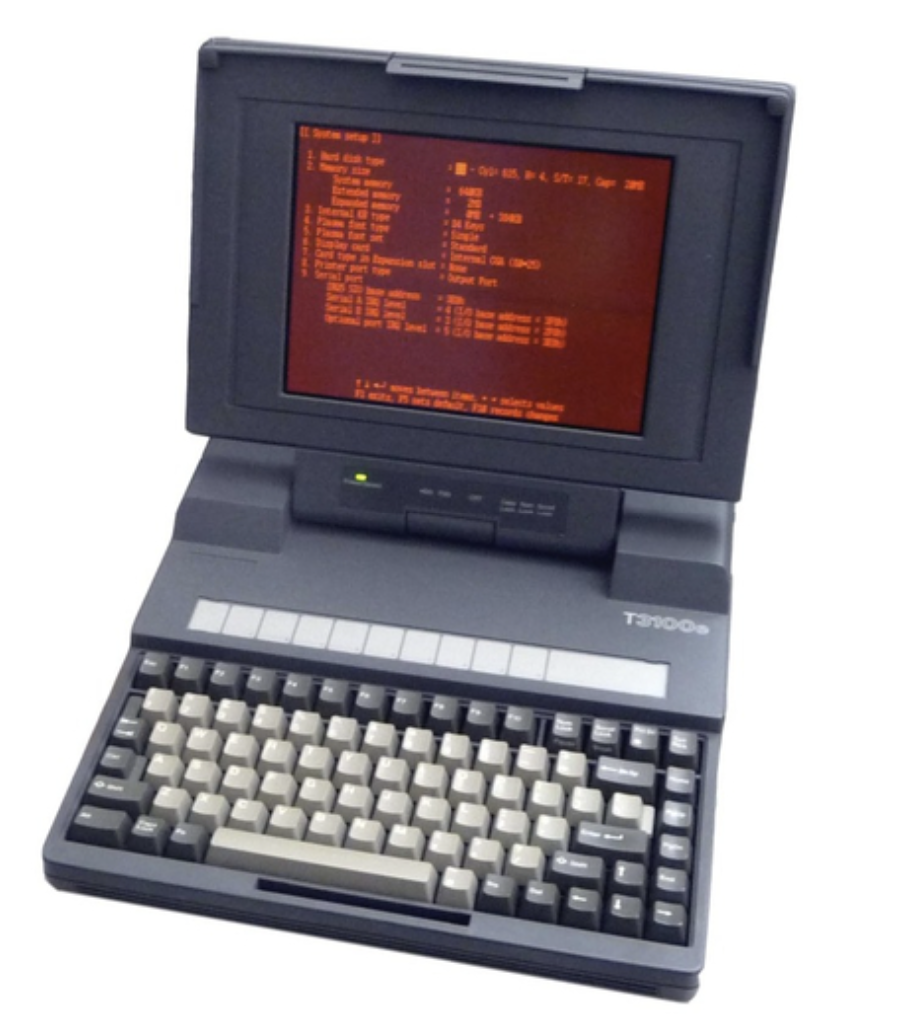
Altair 8800 (1975)The kit computer that sparked the personal computer revolution and inspired a young Bill Gates and Paul Allen.Apple II (1977)One of the first highly successful mass-produced microcomputers, it defined the early PC market.Commodore PET 2001 (1977)Commodore's all-in-one home computer, complete with built-in monitor and cassette drive.TRS-80 (1977)Radio Shack's entry into the home computer market, affectionately known as the "Trash-80".Atari 800 (1979)A powerful Apple II rival with superior graphics and sound, beloved by gamers.Commodore CBM 8032 (1980)A business-focused evolution of the PET line, featuring an 80-column display.Commodore VIC-20 (1980)The first computer to sell one million units, paving the way for the C64.IBM PC 5150 (1981)The machine that set the standard for personal computing and defined the "IBM-compatible" era.Osborne 1 (1981)The first commercially successful portable computer, weighing a breezy 10.7 kg.Commodore 64 (1982)The best-selling single personal computer model of all time.Sinclair ZX Spectrum (1982)The British home computer that defined a generation of UK programmers and gamers, selling over 5 million units.Timex Sinclair 1000 (1982)The $99 computer that brought home computing to the masses.GRiD Compass 1101 (1982)The first true clamshell laptop, used by NASA on the Space Shuttle. It cost $8,000 and looked like it was from the future.IBM PCjr (1983)IBM's attempt at a home computer — notorious for its chiclet keyboard, it was a commercial flop but an interesting footnote.Apple Lisa (1983)The first personal computer sold to the general public with a GUI and mouse — a $9,995 glimpse of the future that preceded the Mac by a year.Apple Macintosh 128K (1984)The original Mac — the first mass-market computer to popularize the graphical user interface and mouse.Toshiba T1100 (1985)Often credited as the first true laptop computer, aimed at business users.Amiga 500 (1987)Commodore's powerhouse — its graphics and sound capabilities were years ahead of the competition.Toshiba Laptop (late 1980s)Part of the Toshiba line that helped define the laptop form factor through the late 1980s and 90s.Apple PowerBook 100 (1991)Set the template for every laptop that followed — trackball in the palm rest, keyboard pushed back, and a genuinely usable form factor.IBM ThinkPad 700C (1992)The machine that launched one of the most beloved laptop lines ever made, with the iconic red TrackPoint nub.Dell Latitude (1994)Dell's workhorse business laptop line, known for its reliability and enterprise-grade build quality — a staple of corporate IT for decades.Dell Dimension (1996)The consumer desktop that made Dell a household name, offering affordable, configurable PCs direct to customers and reshaping the PC market.Apple iMac G3 (1998)Steve Jobs' triumphant return to Apple — its bold translucent colours and all-in-one design made it an instant design icon and rescued Apple from near-bankruptcy.Apple PowerBook G4 Titanium (2001)The first thin metal laptop that stunned the industry — its widescreen titanium body was unlike anything before it.IBM ThinkPad X40 (2004)The ultraportable before "ultrabook" was a word — light, tough, and a favourite of road warriors everywhere.Apple MacBook Pro (2006)Apple's first Intel-based pro laptop, marking the transition from PowerPC and ushering in a new era of Mac performance.Apple MacBook Air (2008)Steve Jobs pulled it from a manila envelope and the laptop world was never the same — thin, light, and no optical drive.Apple iMac (2020)The last Intel-based iMac before Apple's transition to its own silicon — featuring a slim aluminium chassis, Retina 5K display, and refined industrial design.
Workstations
NeXT Computer (1988)Steve Jobs' post-Apple machine — the cube that gave birth to the World Wide Web and eventually became the foundation of macOS.Silicon Graphics Indigo (1991)The workstation that powered Hollywood — Jurassic Park, Terminator 2, and countless other films were rendered on SGI machines.